





Le Bandit and Le Pharaoh: Mechanics, Not Just Theme
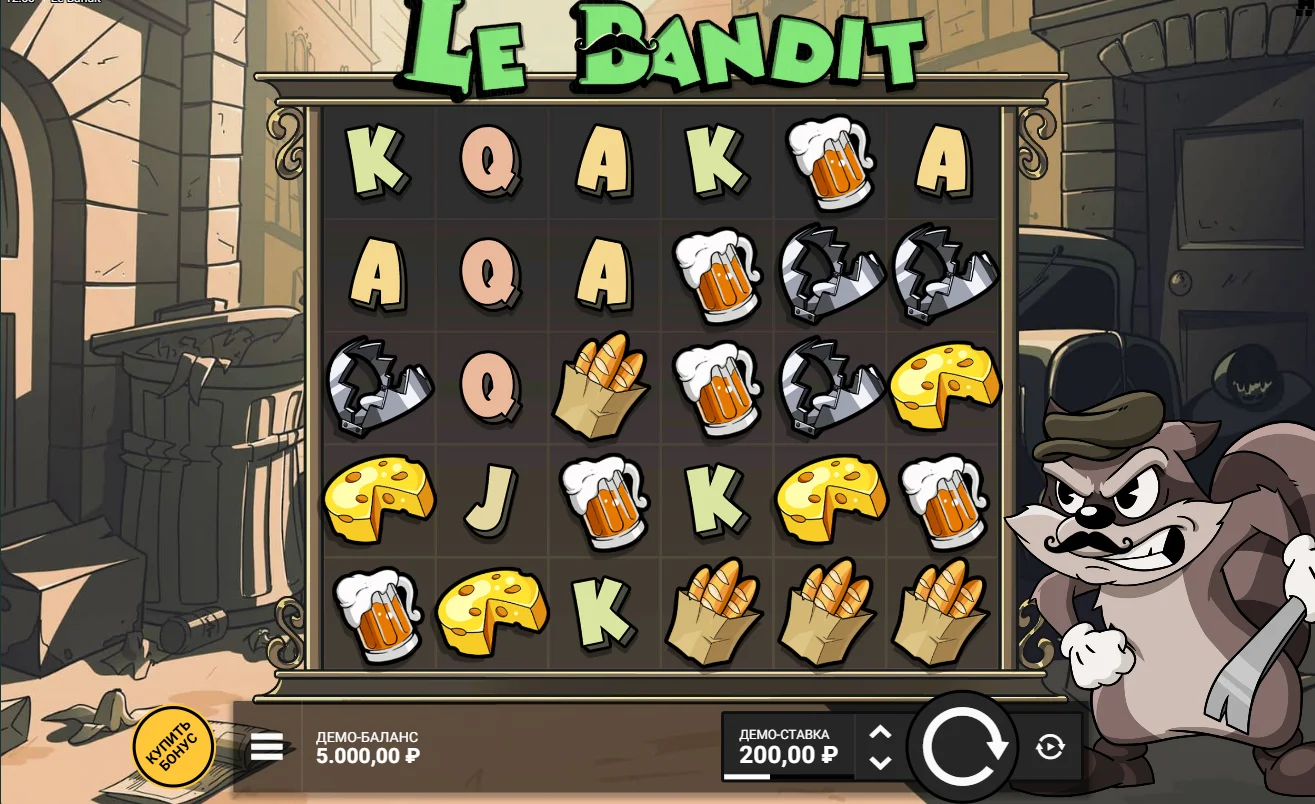
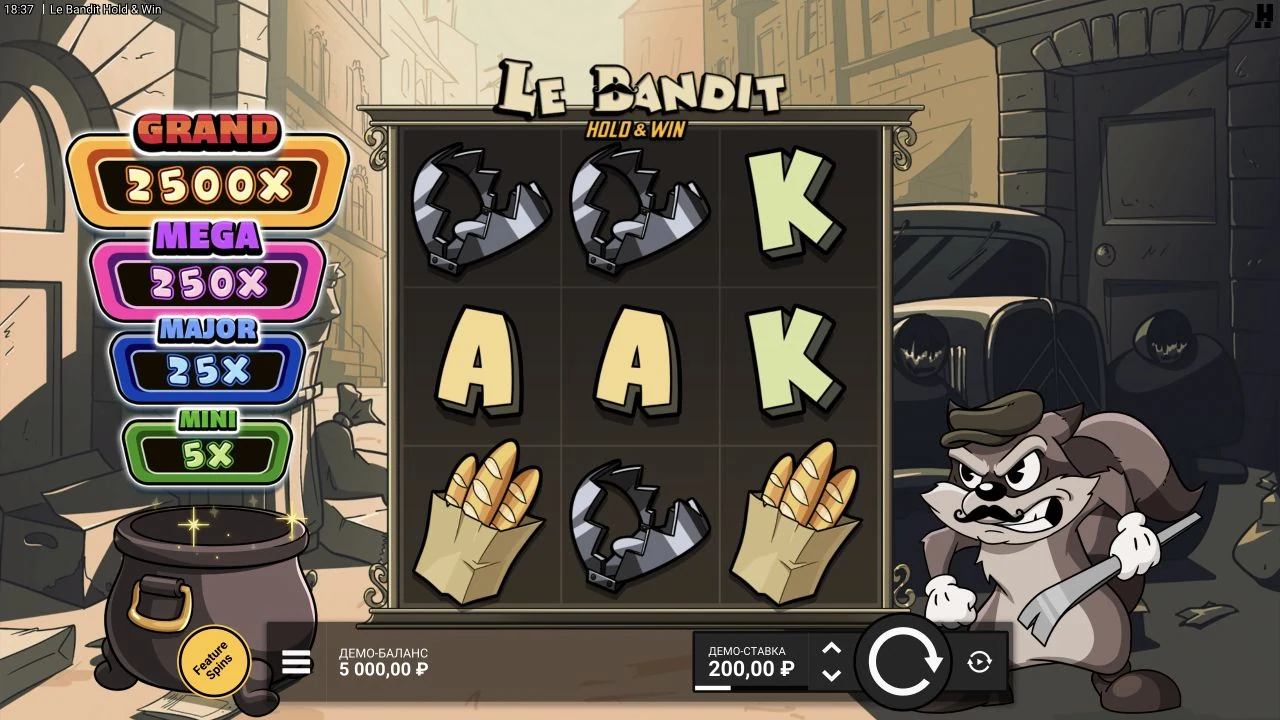
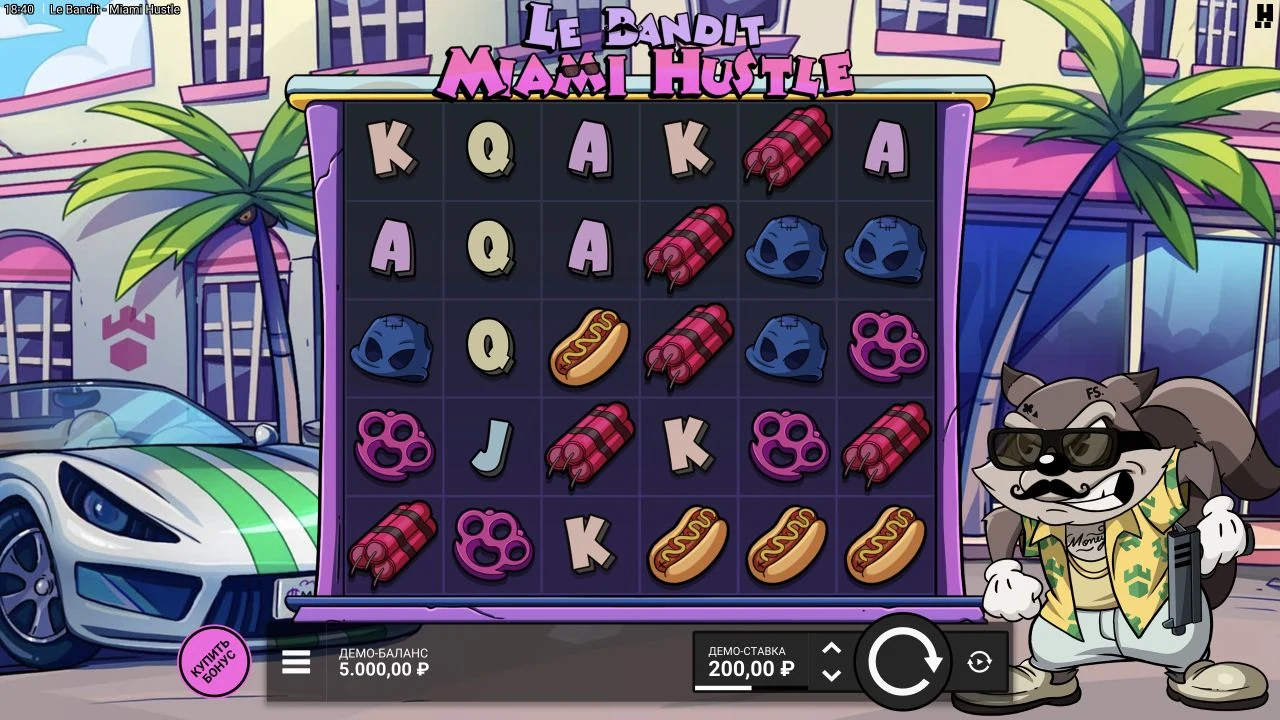
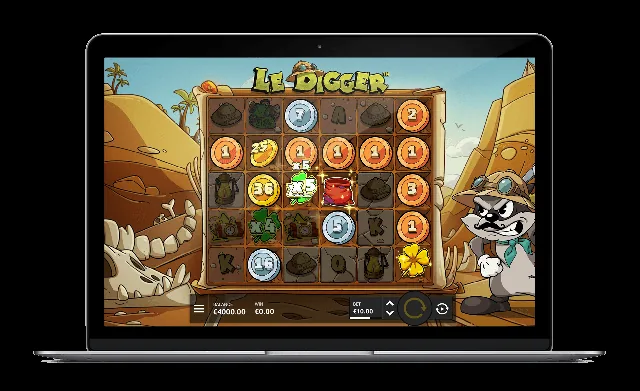
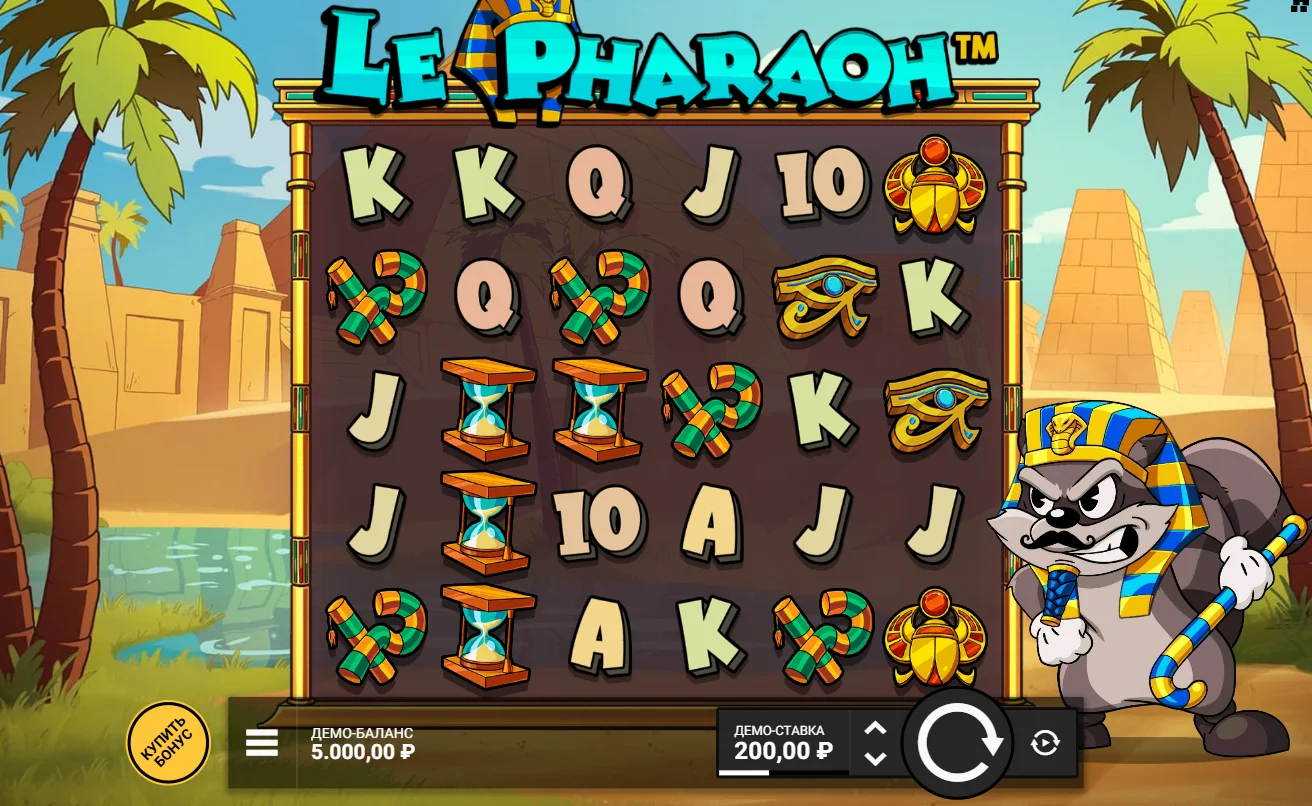
Le Bandit and Le Pharaoh share a recognizable Hacksaw Gaming family style, a 6x5 grid and the idea of Golden Squares. That does not make them the same game. The correct comparison is mechanical: Le Bandit develops a spin through Super Cascades and symbol-type removal, while Le Pharaoh relies on sticky winning symbols and re-drops. Mixing those rules leads to bad expectations in both demos.
Shared structure
Both games use a compact 6x5 layout and both ask the player to watch how winning positions change the board. That shared structure makes the games feel related at first. Symbols land, a win is evaluated, and marked positions can become important later in the sequence. The visual language is close enough that a player moving from one game to the other will recognize the broad rhythm quickly.
The similarity stops at the way the board continues after a win. This is the point where the two slots should be separated carefully.
Le Bandit: Super Cascades
In Le Bandit, a winning cluster starts Super Cascades. The game removes the winning symbols and can also clear other visible regular symbols of the same type. New symbols then drop from above, and the board is checked again. This creates an open, reshuffling feel: one win can clear a large part of the field and produce a very different next grid.
Golden Squares matter because winning positions can be marked during the cascade chain. Rainbow can later reveal coins, Four-Leaf Clovers and Pots of Gold on those marked cells. The Le Bandit sequence is therefore about clearing, dropping, marking and revealing.
Le Pharaoh: sticky re-drops
Le Pharaoh works differently. Its important idea is that winning symbols can stay in place while the remaining positions receive re-drops. Instead of clearing a symbol type and opening the grid, the game holds part of the board and tries to extend or build around it. That creates a more sticky, accumulating feel.
This is the opposite of Le Bandit's main cascade logic. Le Bandit frees space. Le Pharaoh keeps value anchored. Both can create Golden Squares, but the route to the next event is not the same.
Maximum win comparison
Le Bandit has a stated maximum win of 10,000x the stake. Le Pharaoh has a higher stated ceiling of 15,000x. The higher number does not mean that Le Pharaoh pays large wins more often. A maximum win is only the technical cap under ideal conditions. The everyday feel depends on volatility, feature frequency, symbol behavior and how bonus rounds develop.
How to compare the demos
Open several ordinary rounds in each demo. In Le Bandit, watch which symbol type is removed, how much of the board clears and when Rainbow reveals marked cells. In Le Pharaoh, watch which symbols stay sticky and how re-drops build around them. Do not judge either game by one lucky result. Compare which board logic is easier for you to read and which feature flow feels more comfortable.
Practical takeaway
The two games belong to the same broad family, but they reward different kinds of attention. Le Bandit is about cascade clearing and reveal order. Le Pharaoh is about sticky positions and re-drop continuation. Once that distinction is clear, both demos become easier to evaluate without carrying the wrong rule from one slot into the other.
Comparison mistake to avoid
The biggest mistake is assuming that a feature name or shared character means the same payout route. A Golden Square in both games can be part of very different board development. Read the grid after every win: did symbols disappear and drop, or did winning symbols stay while other positions refreshed? That one question usually identifies which game logic is active.