




How Super Cascades Work in Le Bandit
Super Cascades are one of the easiest Le Bandit mechanics to notice, but they are also easy to misread. The important point is that a cascade is not a new paid spin. It is a continuation of the same round after the game has already found a winning cluster. The original stake stays the same, the grid is rechecked, and the round continues only while new winning combinations appear.
The 6x5 grid and cluster wins
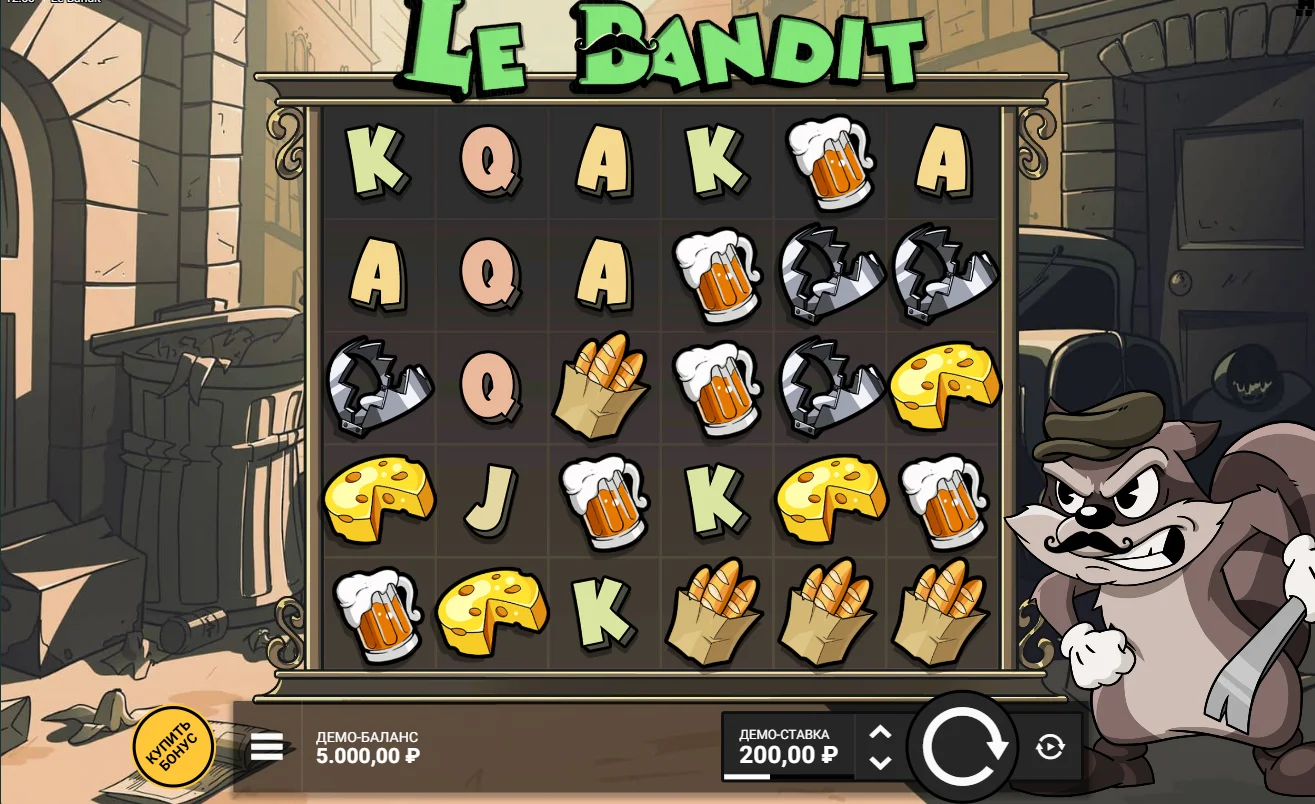
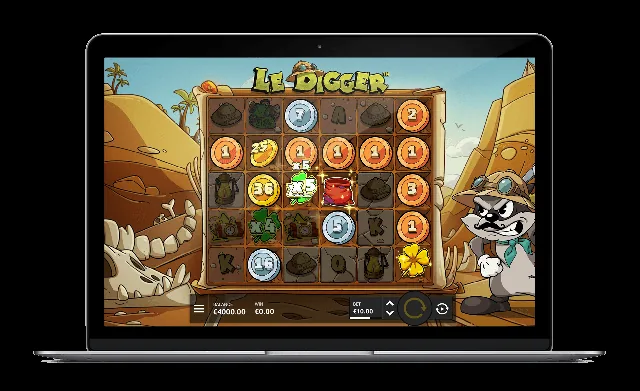
Le Bandit uses a 6x5 game field and cluster-style wins. Instead of reading only traditional paylines from left to right, the game looks for connected groups of matching symbols. When a valid cluster lands, that cluster pays according to the symbol value and the number of symbols involved. The cascade then begins: the winning symbols are removed, new symbols drop into the empty spaces, and the grid is evaluated again.
This structure matters because a single paid spin can contain several separate win events. A player may see one stake produce a first cluster, then a second cluster after the drop, and possibly more if the new symbols keep connecting. The spin ends only when the board no longer contains a new winning cluster.
Why they are called Super Cascades
The Super Cascades mechanic is stronger than a simple local drop because Le Bandit can remove more than the exact winning group. When one symbol type forms a paying cluster, other visible regular symbols of that same type can also disappear from the grid. That larger clear creates more empty positions and gives the next drop more room to reshape the board.
That does not mean a longer cascade is guaranteed. The new symbols are still random. A large clear can produce an exciting reset of the grid and still end with no further win. The correct reading is that Super Cascades increase the number of possible events inside one round; they do not make the next event predictable.
Connection with Golden Squares
Golden Squares are the part of the mechanic that makes cascade chains especially important. Positions that take part in winning combinations can become Golden Squares. A short cascade may mark only a few positions, while a longer chain can mark a larger part of the grid. Those marked positions matter because they are connected to Rainbow activation and the broader bonus rhythm of Le Bandit.
Players often make the mistake of judging the board too early. The first cluster is only the beginning of the story. The final Golden Square pattern is visible only after the full cascade sequence has ended. That is why two spins with similar first wins can feel very different: one may stop quickly, while another may keep clearing symbols and building a more useful marked layout.
How to study Super Cascades in demo mode
The demo is the best place to slow the mechanic down. Watch the round in three steps. First, identify which symbol created the paying cluster. Second, note whether extra copies of that symbol were removed from the board. Third, track where Golden Squares appeared after each cascade. This simple checklist separates the actual rule from the animation effect.
It also helps to compare small clusters with larger clears. A small cluster can still matter if it starts a useful chain, while a visually dramatic clear may end immediately. The value of the round comes from the total chain, not from one animation frame.
Common misunderstanding
A long cascade does not mean the next paid spin is more likely to produce another long cascade. A short sequence does not mean the slot is due to improve. Each paid spin starts with a fresh random result. Super Cascades change how one result unfolds; they do not create memory between spins.
Practical takeaway
Super Cascades make Le Bandit more interesting because one paid spin can contain several evaluations of the grid and can mark multiple Golden Squares before it finishes. The smart way to use this knowledge is to read the board more accurately, not to raise the stake in expectation of a chain. Learn the pattern in demo mode, follow the Golden Squares across the full sequence and treat every new paid spin as independent.